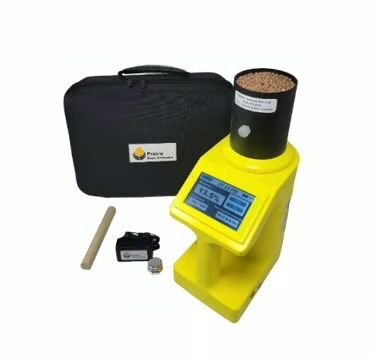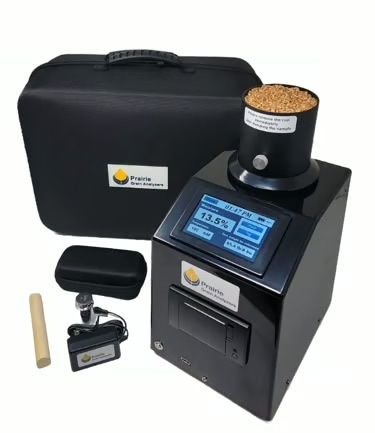
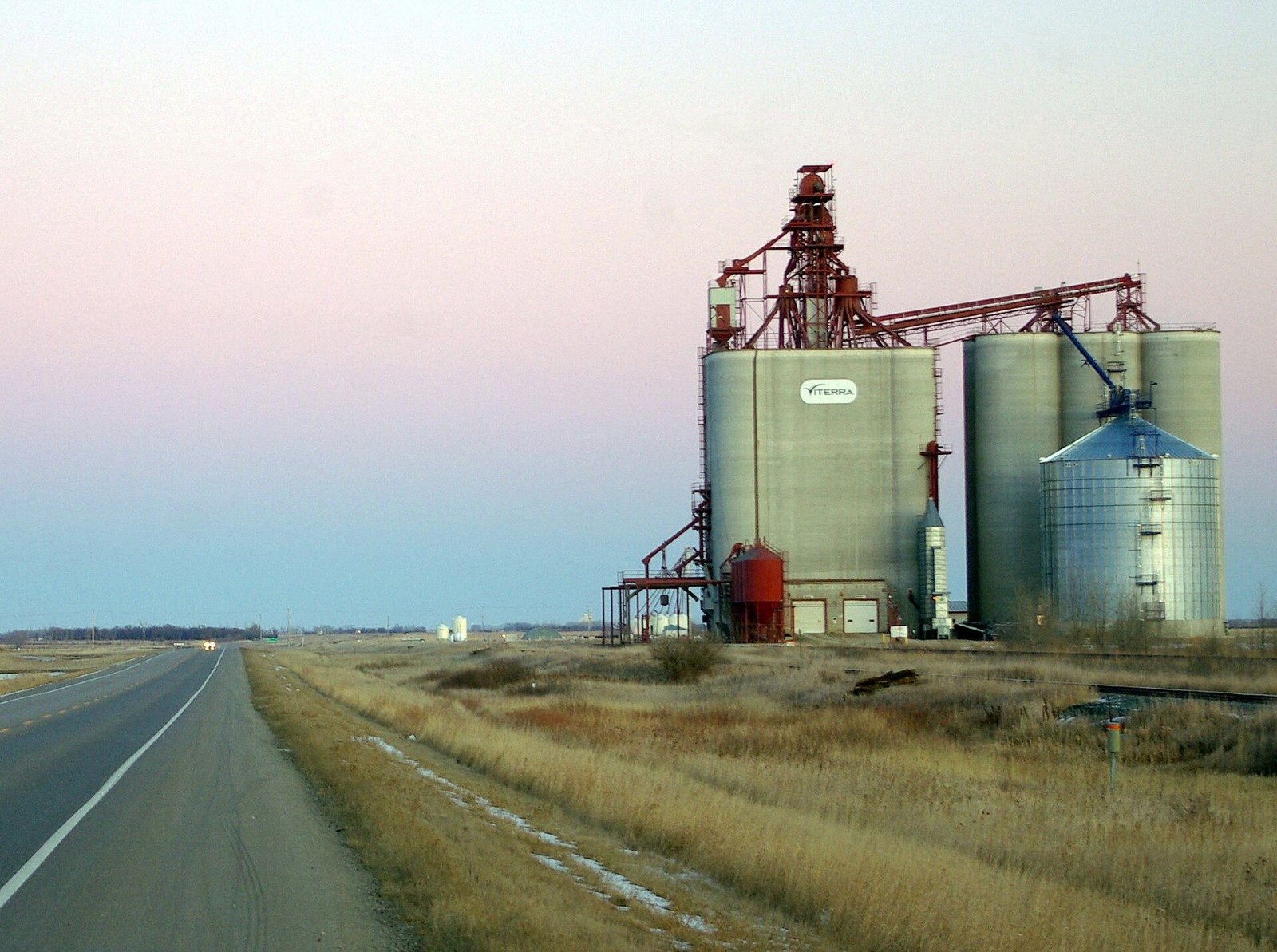
A wheat moisture reading decides if a load is dry, tough or damp, and whether it can go straight to storage. At harvest peak, fast and repeatable readings keep trucks moving.
What you measure it for
- Classify loads as dry or tough
- Decide which loads go to the dryer
- Check dryer output
Moisture classes for wheat
Canadian wheat is classified as dry, tough or damp depending on moisture. Tough and damp wheat is priced lower and must be dried or blended before storage. An accurate tester at intake separates loads correctly from the start.
Blending tough wheat with dry wheat is a common practice, but it requires knowing the moisture of both lots. Testing every load makes blending decisions reliable.
Practical tips
Use the wheat calibration that matches the class
Warm very cold samples in a sealed container
Check against a reference sample each season
Wheat in Canada
Wheat is Canada’s largest crop and a major export. Canada Western Red Spring (CWRS) is the best-known class, valued for its protein and milling quality.
| Where it grows | Mostly Saskatchewan, Alberta and Manitoba (spring wheat); winter wheat in Ontario and parts of the Prairies. |
|---|---|
| Quality factors | Protein content · Fusarium-damaged kernels and DON · Sprouting (falling number) · Ergot and weed seeds · Test weight |
| Storage | Graded dry up to 14.5% moisture. |
Our equipment