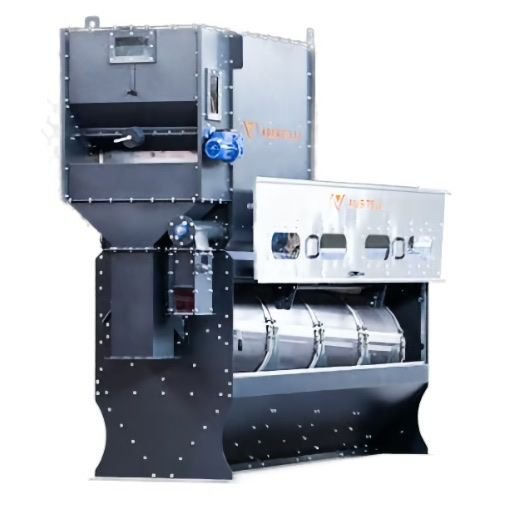
Wheat seed must be free of wild oats, other grains and noxious weed seeds, and sized for even seeding. A seed line adds precision steps that a commodity cleaner does not have.
What the seed line removes
- Wild oats and other grains
- Weed seeds
- Small and shrivelled kernels
- Broken kernels
Pedigreed wheat seed standards
Certified seed must meet purity and germination standards and limits on weed seeds and other crops. Wild oats are the classic challenge in wheat seed, because they are close in width. Length separation with indented cylinders is the reliable way to remove them.
Seed size affects seeding rate calculations. Sizing gives farmers a uniform product and allows accurate thousand-kernel weight on the tag.
Practical tips
Indented cylinders are essential for wild oats
Gravity tables remove light, low-germination kernels
Clean the line fully between varieties
Wheat in Canada
Wheat is Canada’s largest crop and a major export. Canada Western Red Spring (CWRS) is the best-known class, valued for its protein and milling quality.
| Where it grows | Mostly Saskatchewan, Alberta and Manitoba (spring wheat); winter wheat in Ontario and parts of the Prairies. |
|---|---|
| Quality factors | Protein content · Fusarium-damaged kernels and DON · Sprouting (falling number) · Ergot and weed seeds · Test weight |
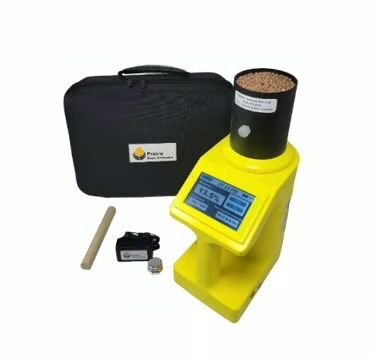
| Storage | Graded dry up to 14.5% moisture. |
Our equipment