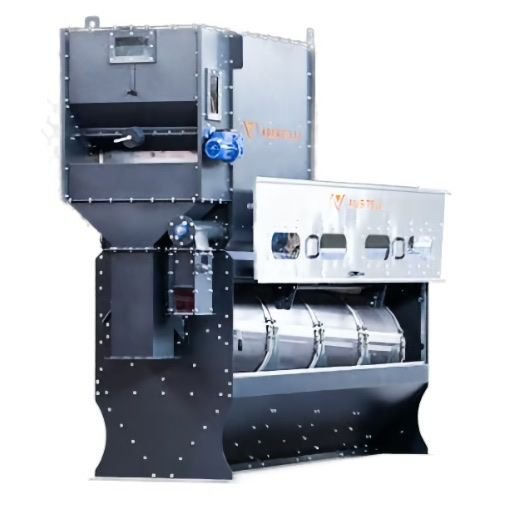
Wheat cleaning removes chaff, weed seeds, broken kernels and other grains to cut dockage and reach a better grade. At elevators, pre-cleaning also protects dryers and storage.
What the cleaner removes
- Chaff and straw
- Wild oats and other grains
- Weed seeds and broken kernels
- Dust and light material
Cleaning wheat at the elevator and on the farm
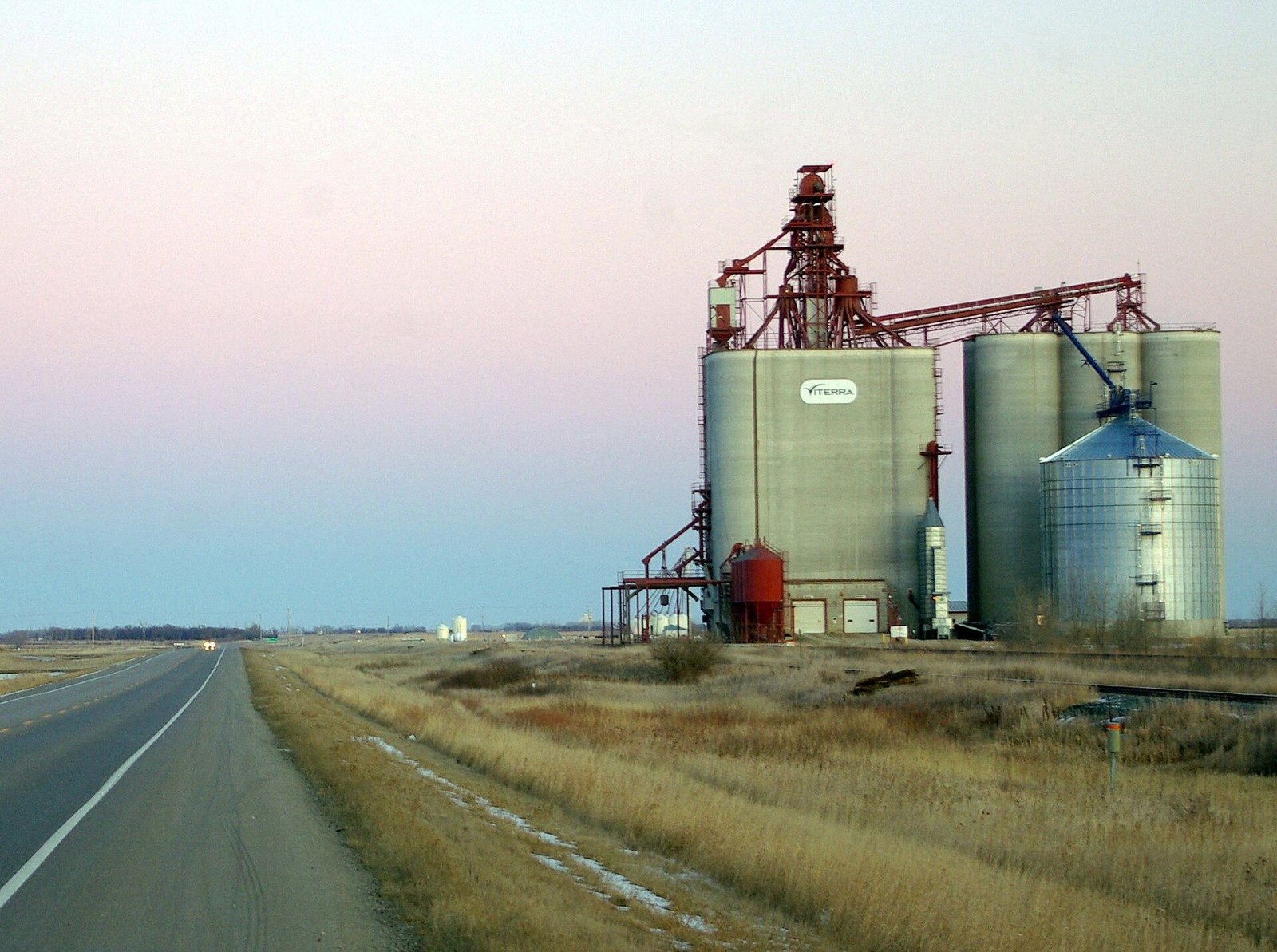
At an elevator, cleaning is about throughput: removing enough dockage to ship to grade without slowing receiving. On the farm, cleaning before delivery keeps screenings, reduces freight on material that would be deducted, and can make the difference between grades when wild oats or weed seeds are high.
Wheat screenings have value as feed. Collecting them separately, rather than mixing them with fines and dust, makes them easier to sell or use.
Practical tips
Use slotted screens sized to the kernel width
Add aspiration to lift light, shrivelled kernels
Indented cylinders separate wild oats and short seeds
Wheat in Canada
Wheat is Canada’s largest crop and a major export. Canada Western Red Spring (CWRS) is the best-known class, valued for its protein and milling quality.
| Where it grows | Mostly Saskatchewan, Alberta and Manitoba (spring wheat); winter wheat in Ontario and parts of the Prairies. |
|---|---|
| Quality factors | Protein content · Fusarium-damaged kernels and DON · Sprouting (falling number) · Ergot and weed seeds · Test weight |
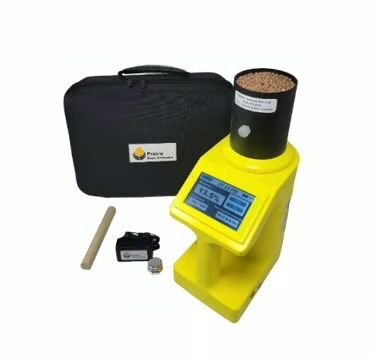
| Storage | Graded dry up to 14.5% moisture. |
Our equipment