Complete milling and grain processing lines from Alapala, from cleaning and conditioning to milling, storage and packing.
Building or expanding a mill is a multi-year project. Working with one supplier for the full line, with support in Canada, reduces the number of interfaces and the risk at start-up.
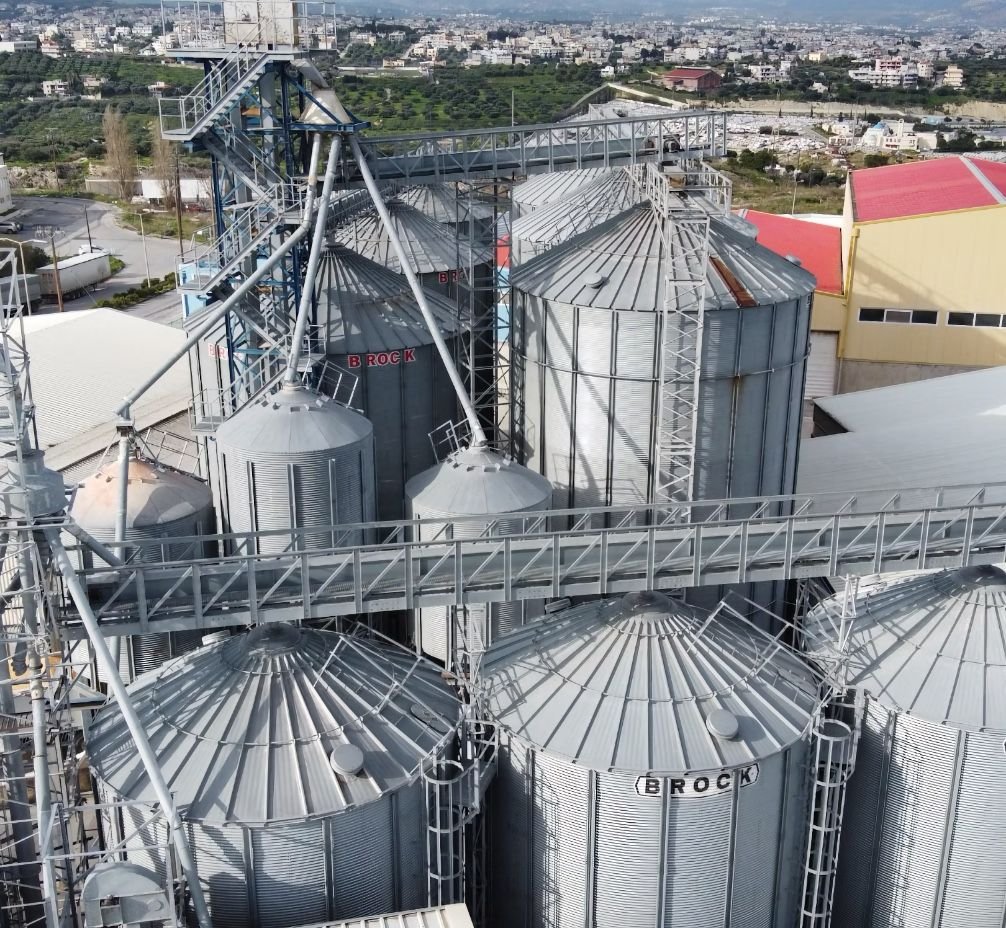
What goes into a complete milling line
A flour mill is a chain of sections: intake and storage, pre-cleaning, cleaning and conditioning (where water is added and the grain rests so the bran separates cleanly), milling on roller mills with sifting between each pass, then flour storage, blending and packing or bulk loadout. Each section has to match the capacity and the product of the next.
Turnkey suppliers design the flow, supply the machines and coordinate installation, which simplifies a project that would otherwise involve many vendors. For a Canadian project, the questions to answer early are the wheat classes you will mill, the flour specifications of your customers, the daily capacity, and the building, whether new or existing.
What you gain
One supplier, one line
Fewer interfaces between equipment brands means fewer start-up problems.
Local support
Project follow-up in Canada, in English and French.
Where it is used
- Flour mills
- Grain cleaning and conditioning sections
- Storage and handling systems
How to choose
| Capacity | Daily milling capacity and future expansion. |
|---|---|
| Scope | Full turnkey plant or a single section. |
In Canada
Milestock helps Canadian processors with project planning, equipment selection and installation support.


