

Dust control systems capture grain dust at transfer points, dump pits and loadouts, protecting workers and reducing the risk of dust explosions.
Grain dust is a health hazard, a housekeeping cost and, above all, an explosion risk. Capturing it where it is created keeps your facility safe, your neighbours happy and inspectors satisfied.

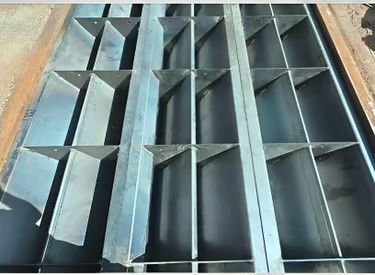
Dust-reduction hoppers and capture at the source
The most dust is created where grain falls freely: into a truck, a rail car, a pit or a bin. A dust-reduction hopper slows and guides the flow so grain falls as a compact stream instead of a cloud. The air that is pushed out is cleaner, the dust stays in the grain, and the loading area stays visible and breathable.
Where dust cannot be kept in the grain, it must be captured: hoods at transfer points connected to a dust collector, with explosion protection on the collector itself. A good project starts by listing every point where grain falls or changes direction, measuring the flows, then choosing passive devices first and aspiration where it is still needed.
What you gain
Lower explosion risk
Capturing dust at the source removes the fuel for a secondary explosion.
Healthier workplace
Less grain dust in the air your employees breathe.
Less cleaning
Less dust on floors, beams and motors means less downtime.
Where it is used
- Truck and rail dump pits
- Conveyor and leg transfer points
- Truck, rail and ship loadouts
How to choose
| Pick-up points | Map every point where grain falls or changes direction. |
|---|---|
| Filtration | Bag filters or cyclones, sized to the airflow. |
| Explosion protection | Venting and isolation on dust collectors. |
In Canada
Combustible dust is regulated under provincial occupational health and safety rules (for example CNESST in Quebec and WorkSafeBC in British Columbia) and by the National Fire Code of Canada.
Frequently asked questions
Can you upgrade an existing system?
Yes. We start with a site visit to locate the dust sources and measure the existing airflow.
Is grain dust really explosive?
Yes. Suspended grain dust is combustible, which is why codes require dust control and explosion protection in grain facilities.


