
Grain analysis equipment measures moisture, protein, dockage and other quality factors so each load is graded and priced on facts.
Every point of moisture and protein is money, for you and for the producer. Accurate, fast analysis at the scale house keeps trucks moving and settles disputes before they start.
From the scale house to storage: what to measure
Grain analysis covers two different jobs. At intake, the grading room measures what determines the price of each load: moisture, protein or oil, dockage and test weight. In storage, sensors watch what determines whether the grain keeps: temperature and moisture inside the bin, and the level of grain in each bin.
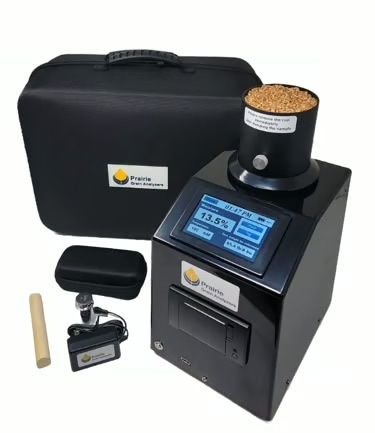
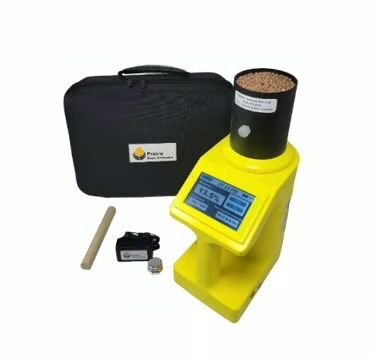
Near-infrared (NIR) analyzers measure protein, oil and moisture in whole grain in under a minute, which is why they are standard for wheat, barley and canola segregation. Portable analyzers bring the same decisions to the field, the dryer and the bin. Storage monitoring (cables, radar level sensors and fan automation) completes the picture so quality measured at intake is not lost in the bin.
What you gain
Decisions in seconds
Moisture and protein results while the truck is still on the scale.
Better binning
Segregate by protein or moisture to blend to contract specifications.
Traceable results
Results can be printed or exported for the ticket.
Where it is used
- Receiving and grading rooms
- Dryer control (incoming and outgoing moisture)
- Shipping and export quality checks
How to choose
| What you measure | Moisture only, or protein, oil and other components (NIR analyzers). |
|---|---|
| Calibrations | Check that calibrations exist for the crops you receive. |
| Volume | Speed per sample matters at harvest peak. |
In Canada
Grain is bought and sold in Canada on grade, moisture and protein. The Canadian Grain Commission publishes the official standards and moisture conversion charts used across the industry.
Frequently asked questions
Do you offer training on the equipment?
Yes. Installation includes start-up and training for your grading staff.
How often should a moisture meter be checked?
Check it before every harvest and against reference samples during the season.


