
Corn moisture drives the whole drying operation: how many points to remove, dryer settings, fuel and shrink. Testing coming in and going out of the dryer is the only way to control it.
What you measure it for
- Measure incoming wet corn (often 20–30%)
- Check dryer output near 15%
- Calculate shrink and drying charges
Measuring high-moisture corn
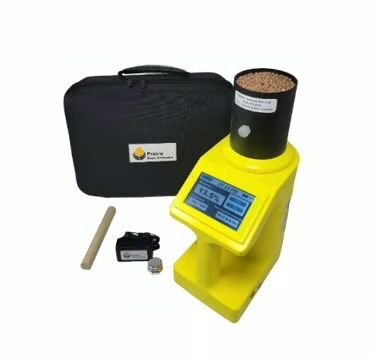
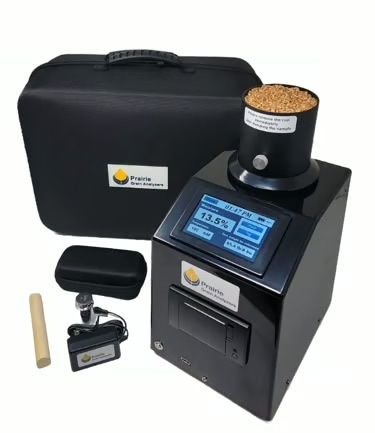
Corn comes off the field at moistures many testers struggle with. Choose a tester and calibration that cover the full range you harvest, and compare with oven results at the start of the season.
At the dryer outlet, corn is hot and still releasing moisture. Let samples cool in a sealed container before testing, or the reading will be wrong.
Practical tips
Let hot samples from the dryer cool before testing
Test frequently when field moisture changes
Use a corn calibration that covers high moisture
Corn in Canada
Grain corn in Canada is harvested late and wet, which makes drying the key step. It feeds livestock, ethanol plants and food processors.
| Where it grows | Ontario and Quebec, with growing acres in Manitoba. |
|---|---|
| Quality factors | Moisture at harvest · Broken corn and foreign material · Heat damage from drying · Test weight · Mycotoxins (DON) |
| Storage | Graded dry up to 15.5% moisture; usually harvested at 20–30%. |
Our equipment