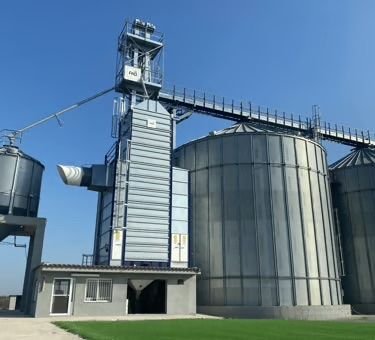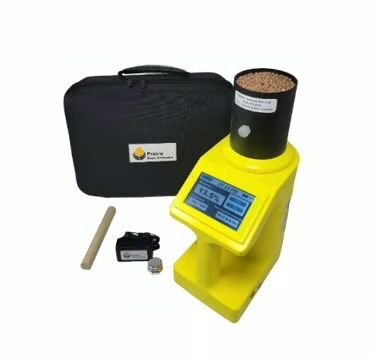

Soybeans are rarely dried far, but when they are, gentle heat and humid air limit splits and cracked seed coats, which matter for food-grade and seed markets.
Drying goals
- Bring soybeans to dry (14%)
- Limit splits and cracks
- Avoid over-drying
When soybeans need drying
Soybeans usually dry in the field, but late harvests and wet weather can leave them above 14%. Heated air dries them quickly but can crack seed coats and split beans, especially if the air is very dry.
Lower temperatures and natural-air or low-temperature in-bin drying are gentler options for soybeans, especially for food-grade and seed lots.
Practical tips
Use low temperatures
Avoid over-drying below the target
Handle gently after drying
Soybeans in Canada
Besides crushing, Eastern Canada exports identity-preserved, food-grade soybeans for tofu, soy milk and natto, a market that pays for appearance and purity.
| Where it grows | Ontario, Quebec and Manitoba. |
|---|---|
| Quality factors | Splits and cracked seed coats · Seed coat and hilum colour (food grade) · Purple stain and green seed · Pods, stems and earth tag |
| Storage | Graded dry up to 14% moisture. |
Our equipment