Safe storage moisture for Canadian grain, crop by crop
Updated November 17, 2026
In Canada, grain is “dry” at or below a set moisture for each crop: about 14.5% for wheat, 14.8% for barley, 13.5% for oats, 10% for canola and flax, 15.5% for corn and 14% for soybeans. Above that, it is graded tough or damp and needs drying or aeration before long-term storage.
Dry moisture limits by crop
These are the upper moisture limits for grain graded “dry” (straight) in Canada. Always check the current Canadian Grain Commission tables before using them for grading or contracts.
| Crop | Dry up to |
|---|---|
| Wheat (including durum) | 14.5% |
| Barley | 14.8% |
| Oats | 13.5% |
| Rye | 14.0% |
| Canola | 10.0% |
| Flaxseed | 10.0% |
| Corn | 15.5% |
| Soybeans | 14.0% |
| Peas | 16.0% |
| Lentils | 13.0% |
Why “dry” is not always “safe”
The grading limit tells you how grain is paid for. Safe storage also depends on temperature and time. Warm grain at the dry limit can still heat over a few months, while cold grain a little above it can keep through the winter.
Canola is the most sensitive: many agronomists recommend storing it below about 8% moisture and cooling it quickly after harvest.
- Cool grain as soon as it is in the bin with aeration
- Keep moisture uniform: pockets of wet grain start the problems
- Check temperature regularly, or use bin monitoring cables
- Plan to use or sell tough grain first
How to measure moisture accurately
- Take a representative sample, not a handful from the top
- Let very cold or hot samples reach room temperature in a sealed container
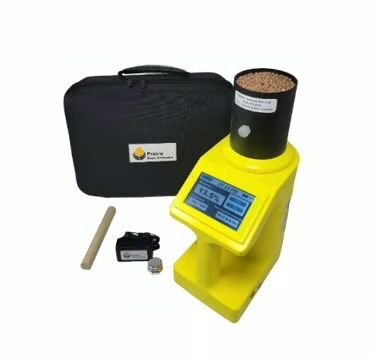
- Use the right crop calibration on your tester
- Check your tester against a reference at the start of each season